Rackspace’s Together AI agreement targets 2027 inference deployment, with GPU financing still open
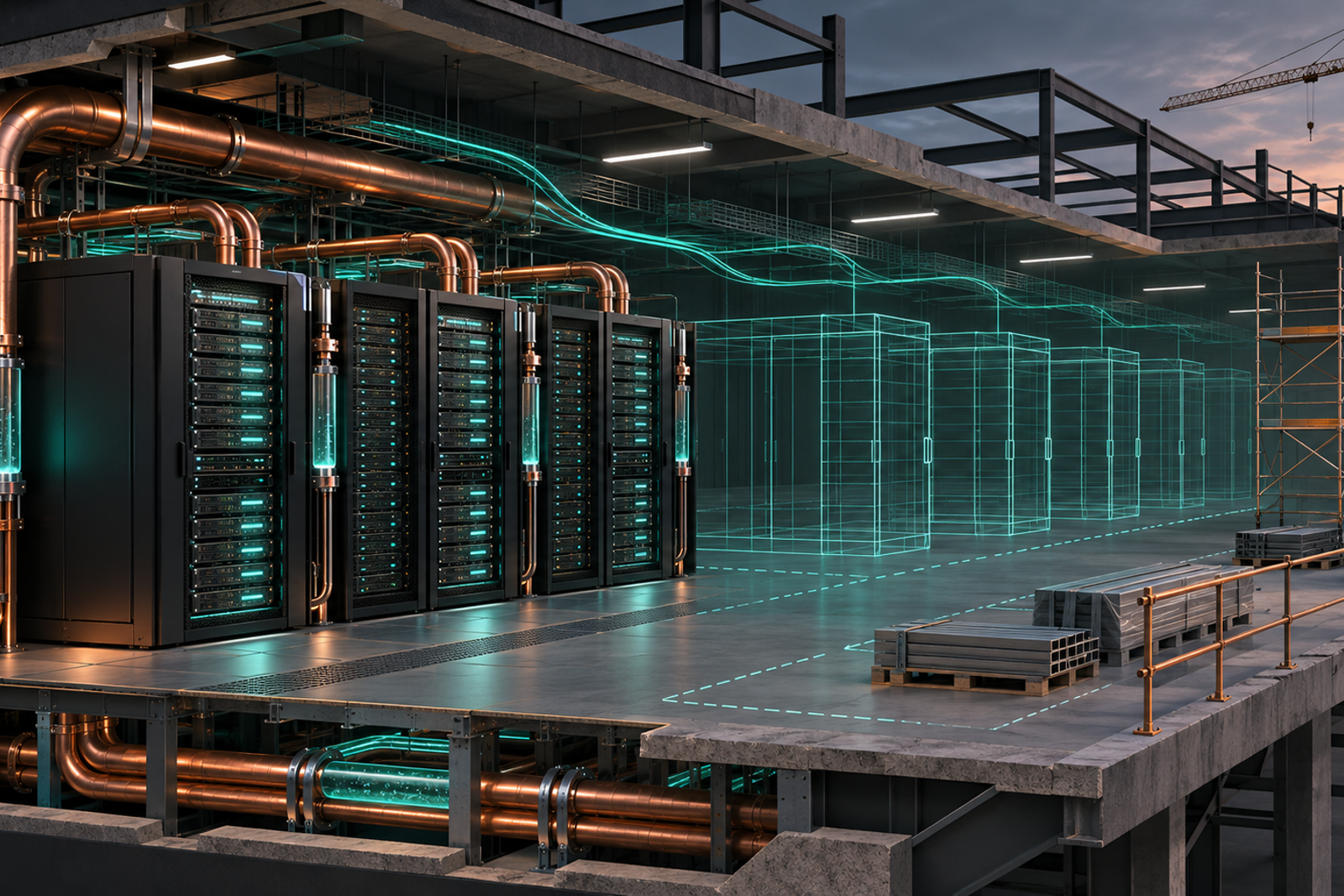
A signed infrastructure agreement and a separate exploratory partnership carry different levels of commitment.
By guthlabs.newsroom
November 10, 2026
Announcement: November 10, 2026
Rackspace and Together AI announced a multiyear infrastructure agreement on November 10 to support inference on dedicated NVIDIA GB300 NVL72 systems, connected through Spectrum-X networking. Rackspace expects to operate the infrastructure, including power, cooling, networking and storage, while Together AI supplies its managed platform. Deployment is planned for 2027 and remains conditional. Rackspace’s announcement.
The most immediate condition is financial. Rackspace said it was discussing equipment funding with lenders but had not obtained a definitive GPU financing commitment. Its obligation to proceed depends on that funding and other contractual conditions. The announcement therefore establishes an agreement to develop capacity, rather than confirmation that the equipment is financed or serving customers. Rackspace’s financing disclosure.
A later update adds scale and timing
On its November 10 earnings call, Rackspace management put the Together AI agreement’s anticipated total contract value at $380 million over several years and said it expected service to begin by mid-2027. Those details appear in the published call transcript and remain management expectations subject to the deal’s conditions. Earnings-call transcript.
Management also described a wider goal of operating approximately 20–22 megawatts of AI computing capacity by the end of 2027. That figure includes other deployments and must not be presented as the size of the Together AI installation alone. Likewise, the company’s projected annualized revenue from that wider capacity is a future run rate, not revenue already earned. Rackspace’s deployment discussion.
Equity funding is separate from equipment financing
Rackspace’s November 10 SEC filing says it issued shares on November 9 for approximately $66 million in total proceeds: roughly $50 million under the Voss Capital arrangement and another $16 million from additional purchasers. The filing identifies general corporate needs, capital spending and growth initiatives, including GPU projects, as intended uses. It does not earmark all the proceeds for Together AI. Rackspace’s Form 8-K.
That distinction matters because a cash raise and a funded equipment order answer different questions. New equity can strengthen a company’s ability to invest without establishing that the full cost of a proposed deployment has been covered. Readers should avoid combining the equity proceeds and anticipated contract value as though they describe the same pool of money.
Enterprise offerings remain exploratory
The companies also signed a separate, nonbinding letter of intent covering possible enterprise offerings. Security, compliance and data-residency features would depend on further agreements and individual configurations. These are prospective services rather than generally available capabilities established by this announcement. The partnership’s stated scope.
For prospective customers, the next useful milestones are a confirmed financing package, a delivery schedule and an offered service with measurable performance and support terms. The division between infrastructure operator and AI-platform provider can give each company a clearer role, but customers will still need to know who owns an incident when a problem crosses that boundary.
The agreement advances Rackspace’s effort to turn existing operational expertise into AI infrastructure business. Its commercial value will become clearer as the companies convert the signed commitment into funded equipment, commissioned capacity and sustained customer usage.
Sources and citations
Revision history
Published .