GPT-Image-2.6 adds planning controls, vector output and short animations
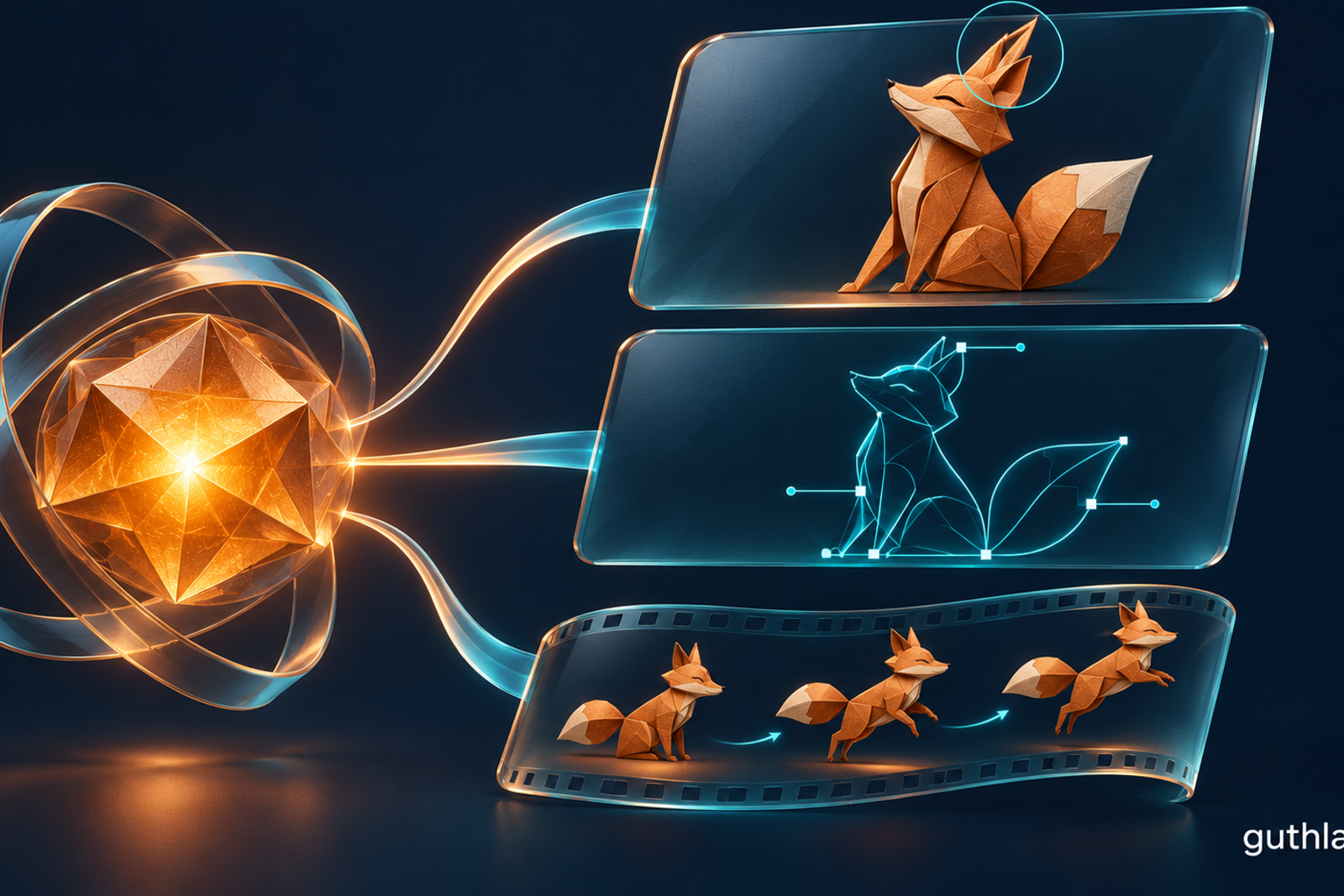
OpenAI released GPT-Image-2.6 Sunburst and Flare on November 4, expanding its image API with adjustable complexity, SVG generation and animated GIF output. The update also adds markup-guided edits to supported 2.5 and 2.6 models. The two variants form one release, with different intended working styles. OpenAI API changelog
OpenAI positions Sunburst for detailed visual compositions and Flare for fast iteration. Both accept text and image inputs. Those product descriptions are useful starting points, but they are not a measured guarantee that one model will be better for every finished asset. Sunburst specifications, Flare specifications
Planning and rendering are separate controls
The new complexity setting controls planning before rendering. It supports low, medium and high, with high as the default. Quality remains a separate rendering setting. OpenAI warns that higher complexity can increase latency and introduce unwanted changes; changing complexity has no separate fee. Image-generation guide
That gives teams a more specific experiment than simply requesting the highest setting everywhere. A tightly scoped background change and a dense illustrated diagram present different demands. Compare settings on the same brief, recording whether the model preserves approved details as well as whether the requested change looks attractive.
New formats come with endpoint restrictions
SVG output is available through image generation, not the editing endpoint. It is static vector content without scripts, external resources or embedded raster images. Animated GIFs are supported by generation and editing, with two to 16 frames. Markup editing uses a separate transparent annotation layer matching the first source image; it cannot be combined with a mask. Format and editing requirements
For a design pipeline, those distinctions affect the handoff. A vector deliverable should be opened in the application where it will be edited, not accepted merely because the download ends in .svg. Check paths, colors and scalability against the actual brief. For an animation, inspect the first-to-last-frame transition as well as individual frames.
Markup can make a requested edit easier to express, but an annotation is still an instruction rather than proof that the rest of the image remained unchanged. Keep the source alongside the result for comparison.
Equal token rates do not guarantee equal job costs
The two model pages list the same standard rates: $5 per million text-input tokens, $8 per million image-input tokens and $30 per million image-output tokens. Cached-input rates are listed separately. These are token prices, not flat prices per image. Sunburst pricing, Flare pricing
The relevant production measure is the total expense of an accepted deliverable, including references, revisions and discarded attempts. A faster first draft can still require more cleanup; a more elaborate render can add detail the brief never requested.
GPT-Image-2.6 makes image generation more configurable and broadens the kinds of files it can return. Buyers should test that flexibility on specific deliverables, with clear acceptance checks for wording, layout, editable structure and consistency, before replacing an established creative workflow.
Sources and citations
Revision history
Published .